
Web applications
Applications used through the browser and tailored to a specific way of working or audience.
Sometimes existing software doesn't fit your research, organisation or way of working well. In that case, custom software can be a good solution.
CodeSprinter develops software around the goal you want to achieve. We first look at what's needed and then choose the technical solution that fits. That could be a new application, an internal system, a platform or software that connects existing processes and systems with each other.
We try not to make software bigger or more complicated than necessary. The starting point is always that the solution is practically usable and genuinely adds value.
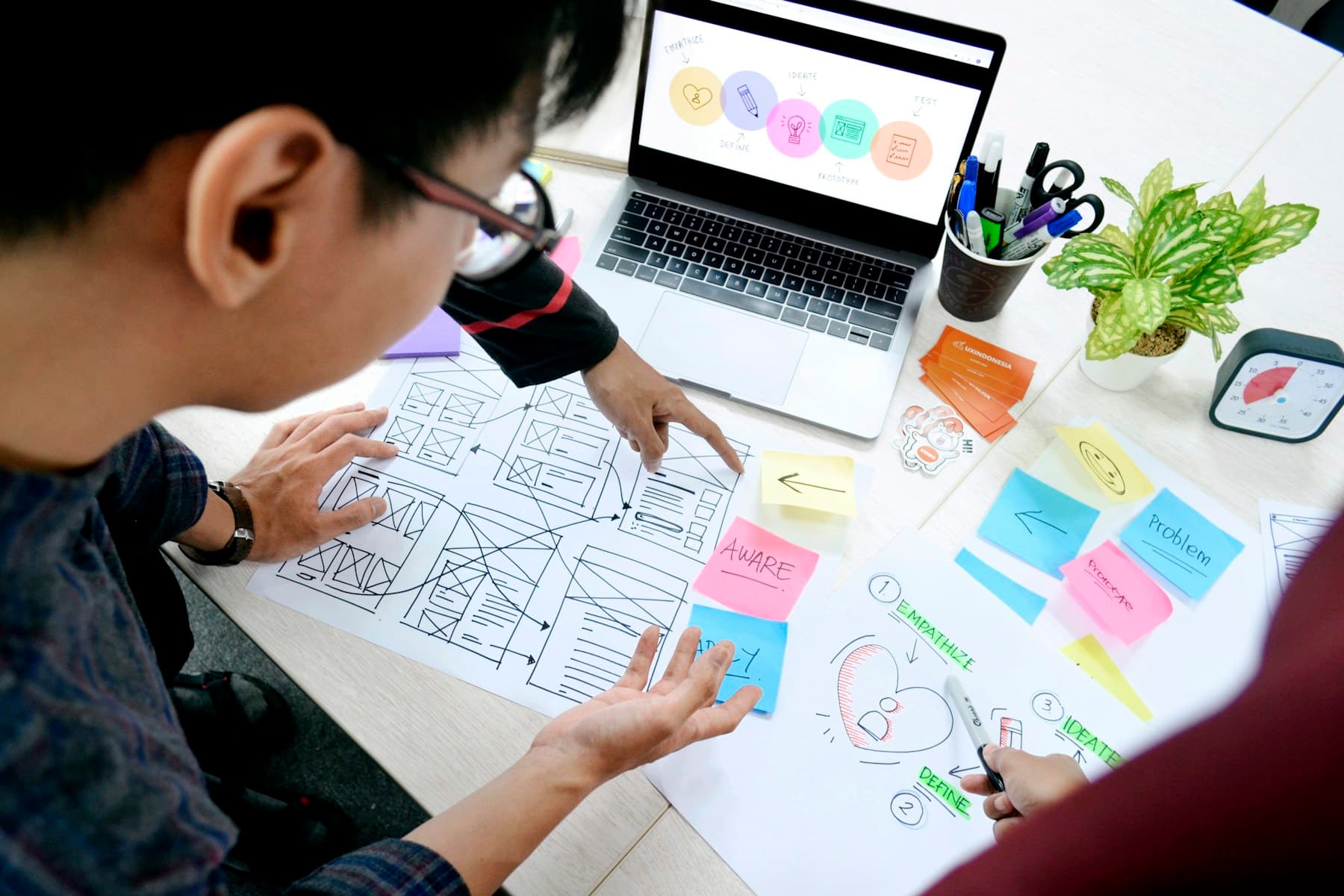
Custom software is mainly worthwhile when off-the-shelf software doesn't fit well with what you need.
Every software question is different. We develop solutions that fit the goal, the users and the context of the project.
Applications used through the browser and tailored to a specific way of working or audience.
Apps for smartphones and tablets, for example when software needs to be used on the go or outside a fixed workplace.
Digital environments where different users can view, enter or collaborate on information with each other.
Software that supports processes within an organisation and can replace or simplify existing manual tasks.
Solutions for collecting, structuring, processing and making sense of data.
Software that connects different systems with each other, so that information can be exchanged automatically.
More features don't automatically make software better. That's why we look critically at what's actually needed. Which parts are essential? Which make it clearer or more efficient to use? And which could possibly be added later?
By making those choices deliberately, the software stays clear and time and budget can be spent on the parts that add the most value.
New software doesn't always have to stand on its own.
Often there are already systems, data sources or processes in place that the new application needs to work with. Where possible, we can develop connections so that information is exchanged automatically and duplicate work is avoided. In doing so, we look not only at what's technically possible, but also at dependencies, security and the reliability of external systems.
Software should feel logical to the people who work with it. That's why we don't only look at what's technically possible, but also at how users move through the application and what information they need.
Security is part of the development from the start. Especially when software works with personal data, research data or other sensitive information. Which measures are needed depends on the project and the type of data being processed.
Software should work predictably and not depend on chance actions or complicated workarounds. That's why we pay attention to technical quality, testing and a clear structure of the application.
Needs can change once software is in use. That's why we try to build the software so that new functionality can be added later without having to start over every time.
Good software should still be understandable and adaptable later on. That's why we pay attention to a clear technical structure and code that stays easy to maintain even with future changes.
We work with modern technologies for web applications, mobile apps, databases and connections. We don't decide which technology to use in advance based on a fixed preference. The choice depends on what the project needs. In doing so, we look at things like security, maintainability, performance, future expansion and the systems the software may need to work with.
You don't have to make any technical choices yourself. We explain what the options are and why we recommend a particular approach.
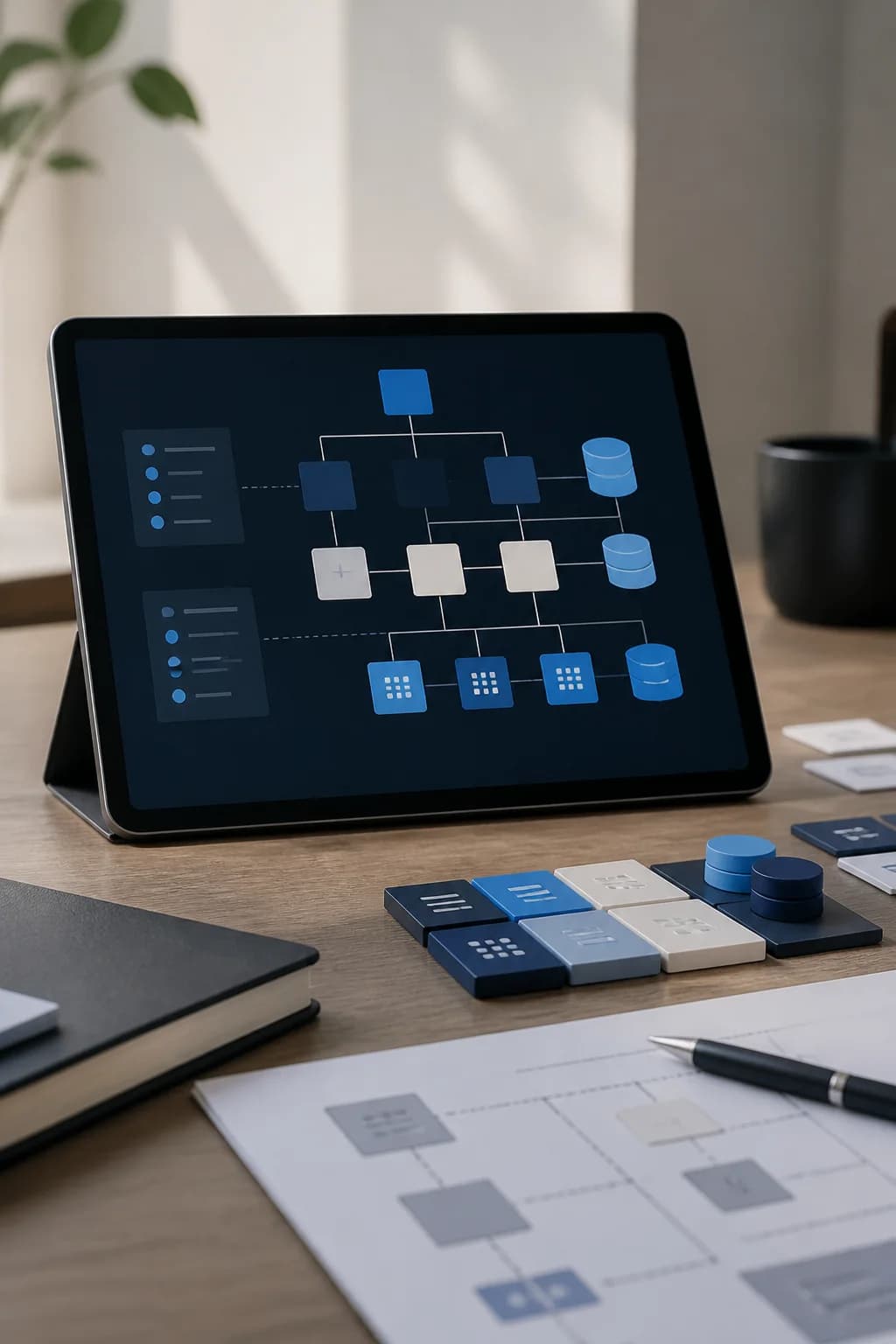
Custom software shouldn't create a situation where you're completely tied to a single supplier. That's why it stays clear which parts have been developed for your organisation and which data is yours. That leaves room to develop the software further in the future and prevents important parts of your organisation from becoming dependent on unclear technical constructions.
After delivery, software needs to run somewhere and be maintained technically. CodeSprinter can also take care of hosting, technical management and maintenance for that. This is a separate managed service and is independent of the development of the software.
You don't have to make a choice about that at the start of a project. During the process, we discuss what the options are and what makes sense in your situation.
More about hosting and managementNo. It's enough if you can explain which problem you want to solve or what you want to achieve. During the first conversations, we map out together which functionality is needed for that.
That depends on the existing software and the technology it's built on. We can first look at what's already there, how the software is structured and whether developing it further is technically and practically sensible.
In many cases, yes. When another system has a suitable technical connection available, we can explore how both systems can communicate with each other.
That depends strongly on the size and complexity of the project. A relatively small application can be developed considerably faster than a platform with many user roles, connections and complex functionality. Before development starts, we map out the scope so it's clear what's going to be built and what timeline fits with that.
No. Hosting and technical management are a separate service. If you want CodeSprinter to host and technically manage the software after delivery, you'll receive a separate quote for that.

CodeSprinter builds software for research and societal impact. From first idea to daily use.